
Human Risk
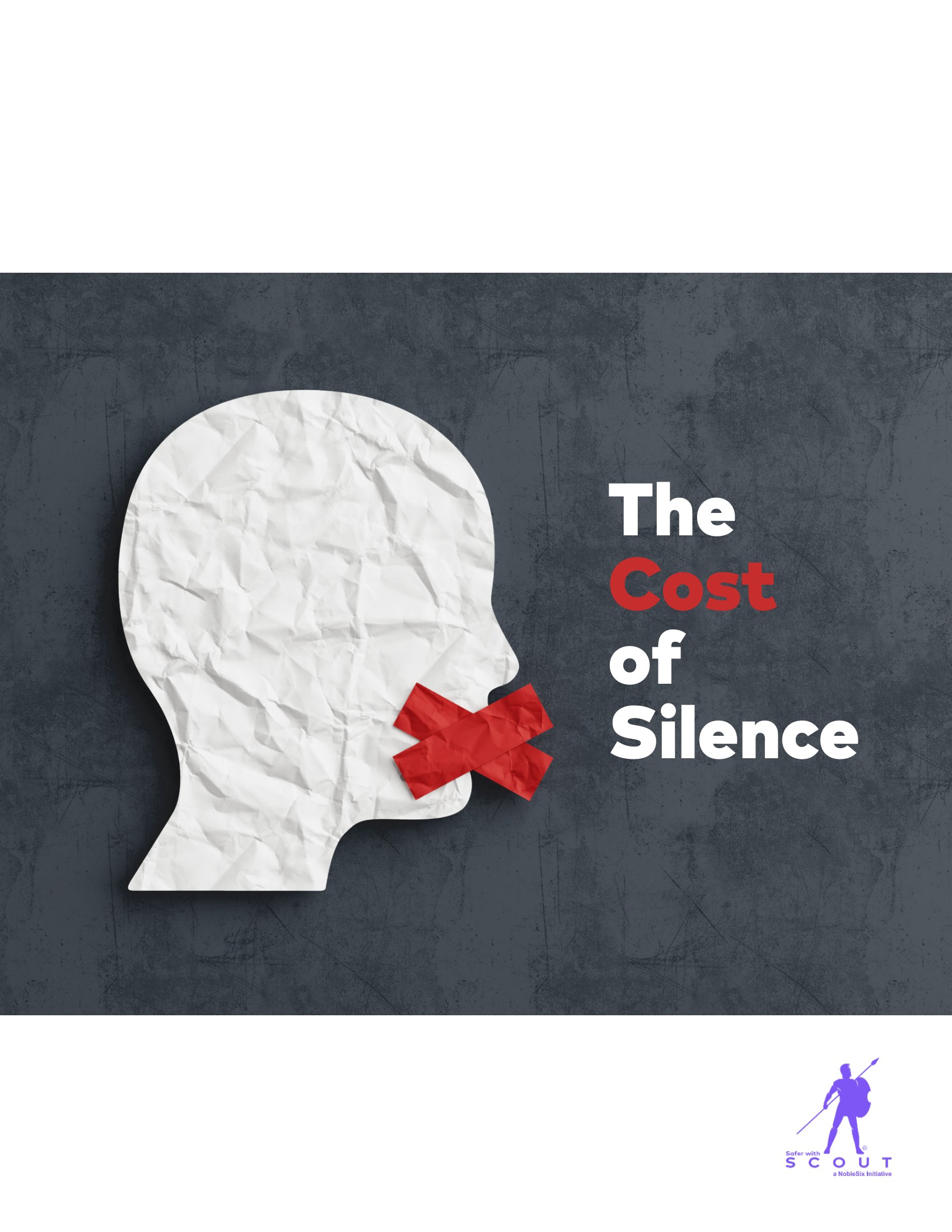
The Cost of Silence
Why Employees See Warning Signs, But Organizations Still Miss Human Risk
Executive summary
Organizations invest heavily in technology to identify risk, yet post-incident reviews repeatedly show the signals were already visible to coworkers and supervisors. Human risk is rarely a failure of observation — it is a failure of communication. This paper explores the cultural, social, and psychological reasons employees stay silent, and how leaders can build environments where reporting becomes a normal act of responsibility rather than a risk.
Key themes
- Human risk is usually a communication failure, not an observation failure
- Uncertainty, social risk, and normalization silence well-intentioned employees
- The "someone else will handle it" effect quietly disables reporting
- Technology documents events; people interpret context and intent
- Cultures of awareness turn scattered signals into early intervention
7-minute read · PDF resource
Related white papers
Human Risk
Avoidable Risk
Behavioral Awareness
Small Changes
Workplace Violence Prevention
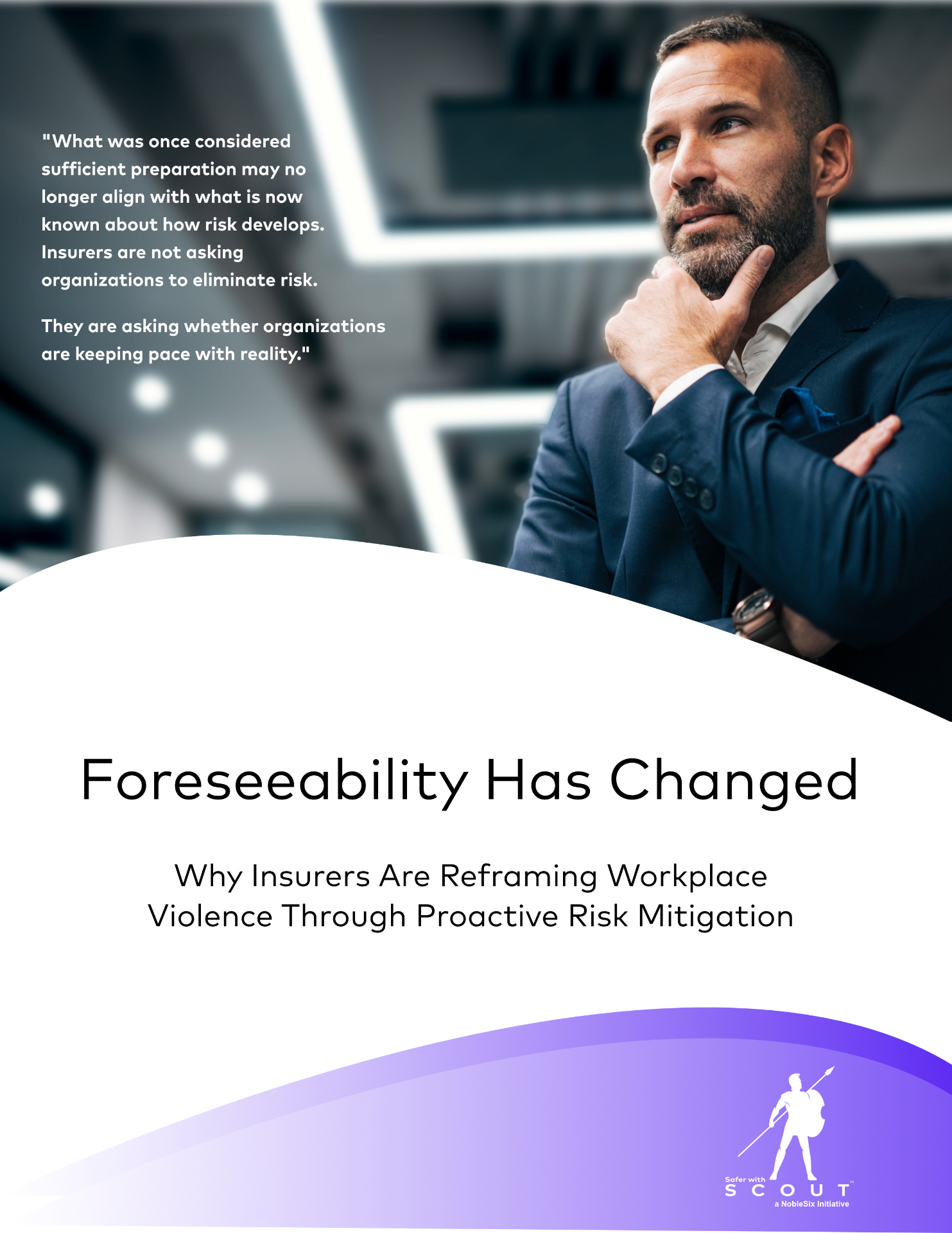
Foreseeability Has Changed

Case Studies
Negligence vs. Diligence
Behavioral Awareness
Mastering Advanced Situational Awareness
Workplace Violence Prevention
A Review of Automated Safety
Workplace Violence Prevention